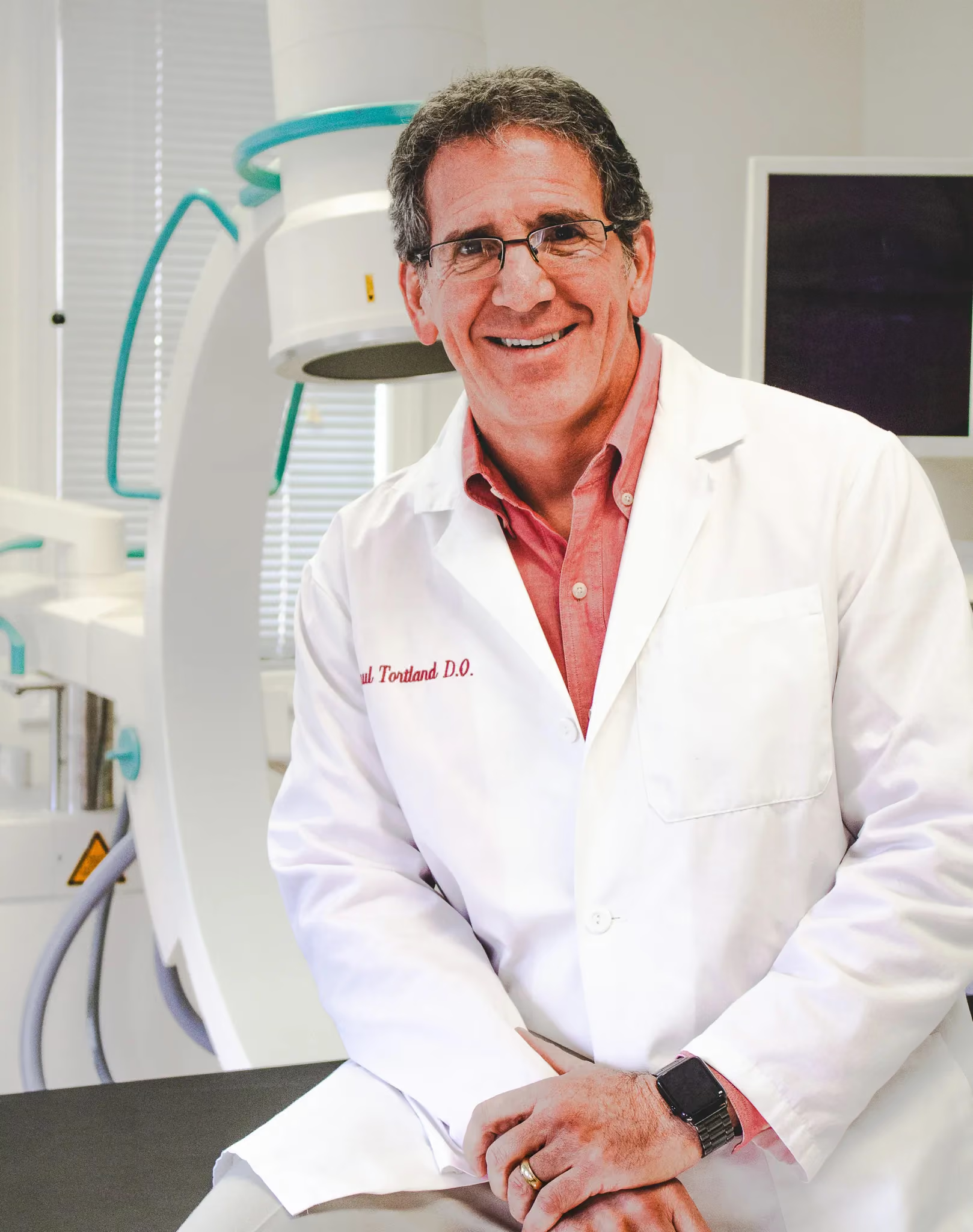
Non-Surgical Orthopedics & Regenerative Medicine in Connecticut
Advanced Orthobiologics: PRP, BMAC & MFAT
Dr. Paul Tortland, DO provides non-surgical orthopedic care and regenerative medicine in Glastonbury, Connecticut. Depending on the diagnosis, options may include platelet-rich plasma (PRP), bone marrow aspirate concentrate (BMAC), and microfragmented adipose tissue (MFAT). Each treatment is considered in context, with a clear explanation of the evidence, potential benefits, limitations, and when surgery may be the better choice.
What it is
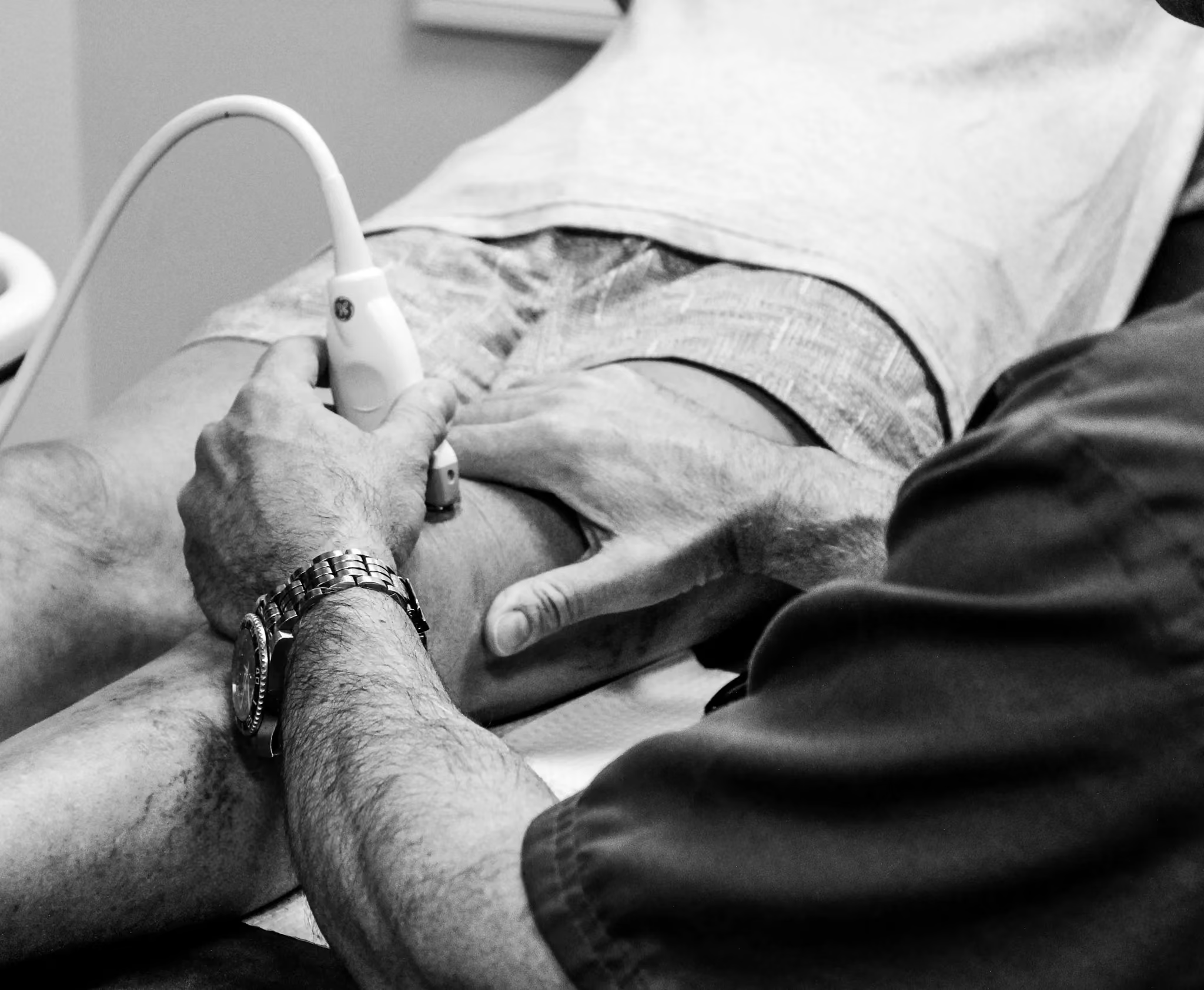
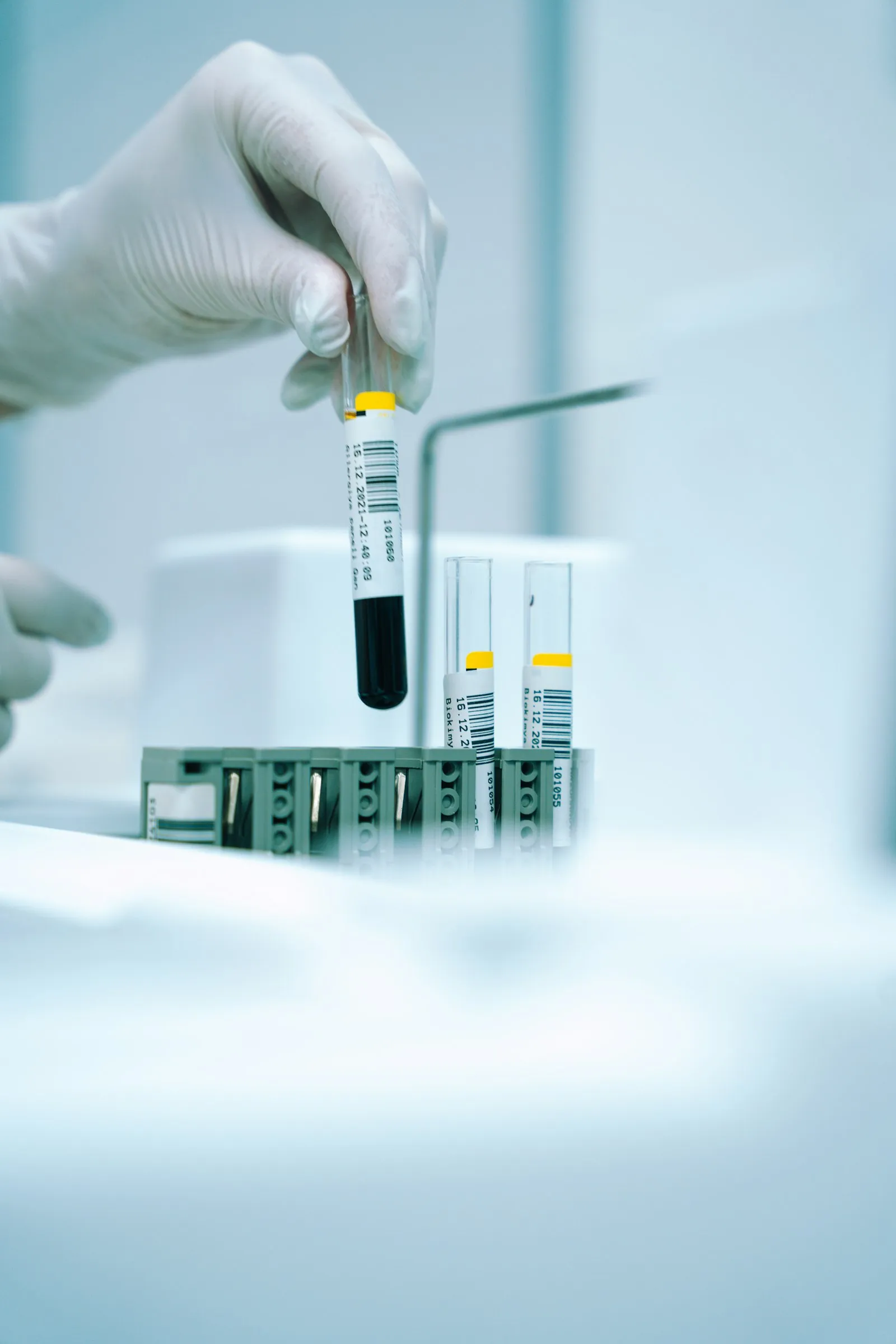
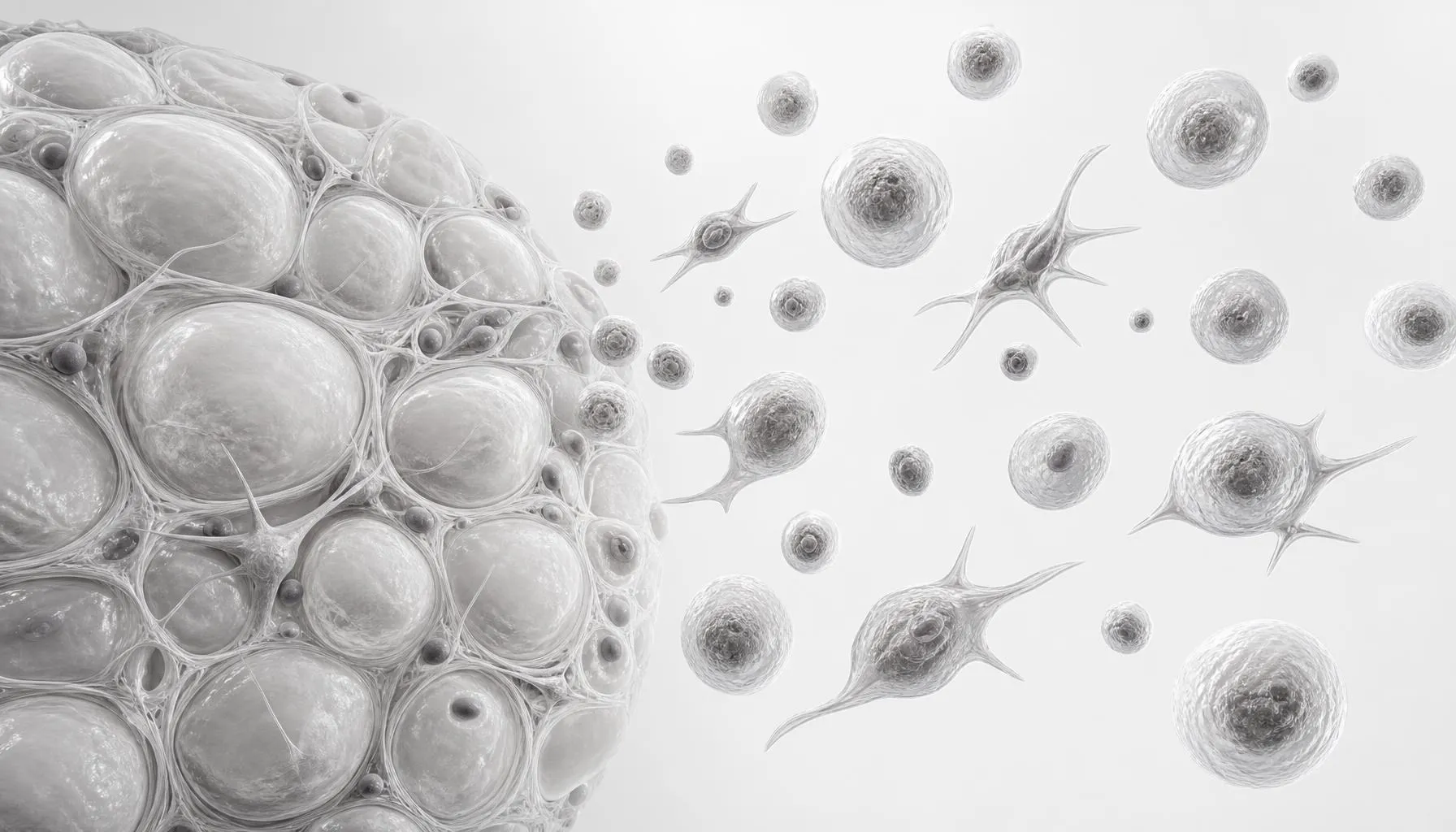
PRP concentrates your platelets. Stem cell therapy uses cells from your bone marrow (BMAC) or fat (MFAT). Both go in under ultrasound.
Who it fits
Arthritis, lasting tendon problems and partial tears, when you want to try non-surgical care first.
What is different
30+ years in sports medicine. First PRP in southern New England, 2007. First physician in the world board certified in Regenerative Medicine.
30+
Years in sports medicine
2007
First PRP in southern New England
1st
Physician worldwide board certified in Regenerative Medicine
100%
Procedures performed by Dr. Tortland
About Dr. Tortland
Why Choose Dr. Paul Tortland for Regenerative Orthopedics?
Dr. Tortland has practiced sports medicine for 30+ years. He is dual board certified in Sports Medicine and Regenerative Medicine, registered in musculoskeletal ultrasound (RMSK), and a Fellow of the American Osteopathic Academy of Sports Medicine.
In 2007 he performed the first platelet-rich plasma treatments in southern New England. In 2015 he became the first physician in the world board certified in Regenerative Medicine, and he now teaches orthobiologic technique to physicians internationally.
His practice is deliberately small. First visits run over an hour, and Dr. Tortland personally performs every ultrasound, injection and follow-up scan. He holds affiliations with Hartford Hospital and St. Francis Hospital.
Specialty
Credentials
Appointments
Treatments
Regenerative Medicine and Orthobiologic Treatments
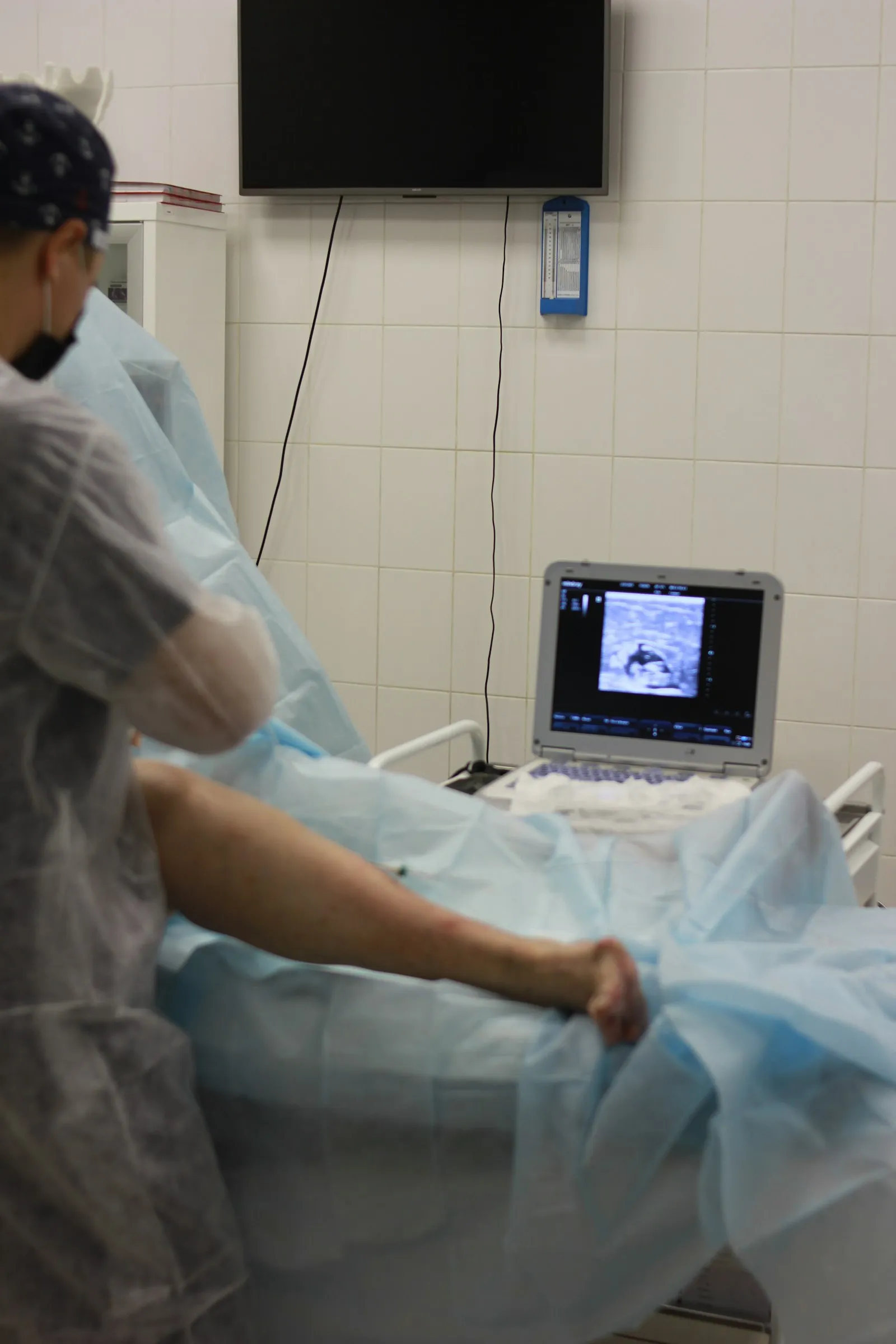
Every procedure is performed by Dr. Tortland personally, under live ultrasound guidance, using your own tissue.
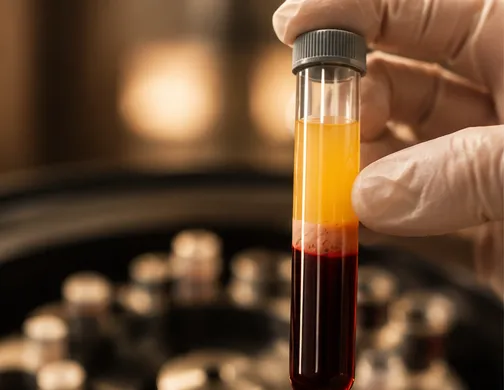
PRP - Platelet-Rich-Plasma
Your own concentrated platelets, measured and custom-dosed to you. High-concentrate PRP for maximum pain relief.
Learn More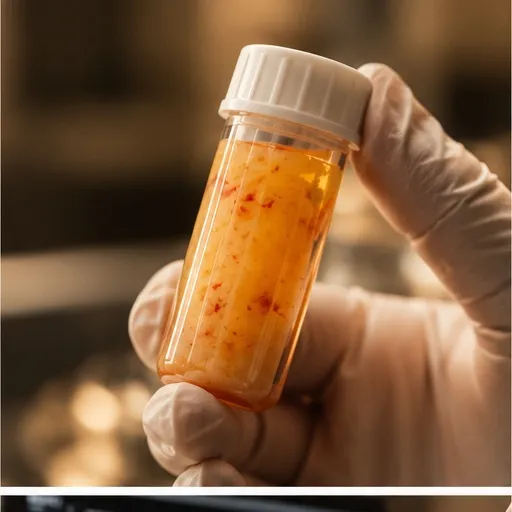
Cellular Orthobiologics
Bone marrow (BMAC) or fat-derived (MFAT) cells to treat severe arthritis and high-grade partial tears. The strongest regenerative effect.
Learn More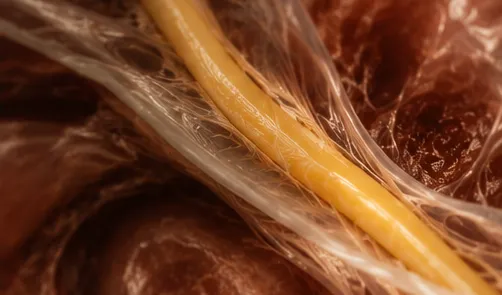
Nerve Hydrodissection
Ultrasound-guided fluid injection to free entrapped, irritated nerves and break up painful scar tissue.
Learn More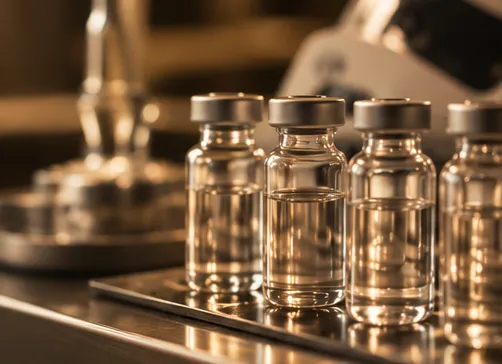
Prolotherapy & Prolozone Injections
A powerful anti-inflammatory injection to calm arthritic pain that also strengthens lax, unstable ligaments. The OG of regenerative medicine.
Learn More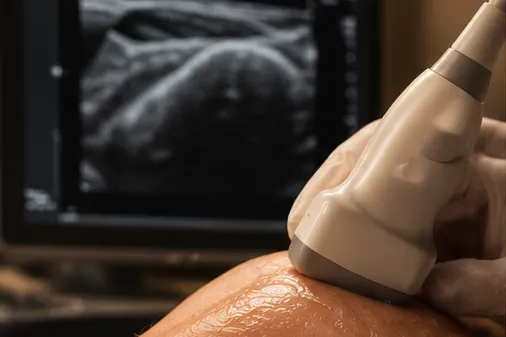
MSK Ultrasound Diagnostics
Live musculoskeletal ultrasound shows the exact structure causing your pain, before any treatment is recommended.
Learn MoreWhy patients travel here
Measured Doses, Live Ultrasound & Honest Advice
Evidence-first, surgery-last
Non-surgical options are worked through thoroughly before surgery is discussed. This is grounded in the current PRP and orthobiologics literature, not marketing claims. When the evidence doesn't support treating you, that's the answer you'll get.
Understand your options →Dose is measured, not assumed
Most clinics use bedside kits that yield roughly 2 to 3 times baseline platelet concentration. PRP here is custom-formulated on-site, reaching 12 to 15 times baseline or higher, then verified on a cell counter before it is injected.
How PRP is prepared →Diagnosis on live ultrasound
Every new patient's evaluation runs at least an hour. It includes live musculoskeletal ultrasound in that same visit, so candidacy is decided by watching the structure at fault, not from an MRI report or a phone call.
Book an evaluation →Shared decision-making
Every plan reflects your imaging, your goals and your tolerance for risk and cost. Never a one-size-fits-all protocol, and never a package sold at the first visit.
The approach →"Dr. Tortland has treated my knees with both PRP multiple times and stem cell therapy, and I've experienced meaningful improvement from both. He is incredibly knowledgeable, personable, and always takes the time to explain everything thoroughly. I trust him completely."
Laura D., patient · Knee osteoarthritis · PRP · Cellular Orthobiologics

Common questions
Frequently Asked Questions About Non-Surgical Orthopedics
Who is Dr. Paul Tortland?
Paul D. Tortland, DO, FAOASM is a regenerative orthopedic physician in Glastonbury, Connecticut, with more than 30 years in sports medicine. He is dual board certified in Sports Medicine and Osteopathic Manipulative Medicine (OMM) and Regenerative Medicine, registered in musculoskeletal ultrasound (RMSK), and became the first physician in the world to earn board certification in Regenerative Medicine in 2015.
What is regenerative orthopedics?
Regenerative orthopedics uses your own biologic tissue (platelets, bone marrow or fat cells) injected under live ultrasound guidance to stimulate repair in a damaged joint, tendon, ligament or nerve. It is a non-surgical alternative to steroid injections, prolonged bracing or joint replacement.
What conditions does Dr. Tortland treat?
Dr. Tortland treats osteoarthritis of the knee, hip, shoulder, ankle and small joints; chronic tendon disease such as tennis elbow, Achilles and rotator cuff tendinopathy; partial ligament tears; and nerve entrapment treated with nerve hydrodissection. End-stage arthritis and completely retracted tendon tears may not be good candidates, and he'll refer you to a trusted surgeon if so.
Is PRP or orthobiologic treatment better than surgery?
The right treatment depends on the diagnosis. Orthobiologics work best on tissue that is degenerated but still structurally present. Surgery remains the right answer for complete tears, mechanical instability and end-stage joint destruction. The decision is made on examination and dynamic ultrasound, not a phone call.
Is treatment covered by insurance?
Most orthobiologic procedures are not covered by United States insurers. Patients are provided detailed claim forms they can submit for potential reimbursement. Patients will always receive a "Good Faith Estimate" - part of the "No Surprises Act of 2022 - in advance to provide specific cost information.
Where is the office and do I need a referral?
The office is at 59 Sycamore Street, Suite 301, Glastonbury, CT 06033, open Monday through Friday, 9:00 a.m. to 5:00 p.m. No referral is required. Patients travel from across Connecticut, New England, out of state, and internationally. Telehealth record review is available for distant second opinions.
Who performs the injections?
Dr. Tortland performs every procedure himself under live ultrasound guidance. Nothing is delegated to a technician, physician assistant or nurse.
Can your joint be treated without surgery?
Candidacy is determined on ultrasound, not over the phone. Bring your imaging and get an honest answer in one visit. No referral required.